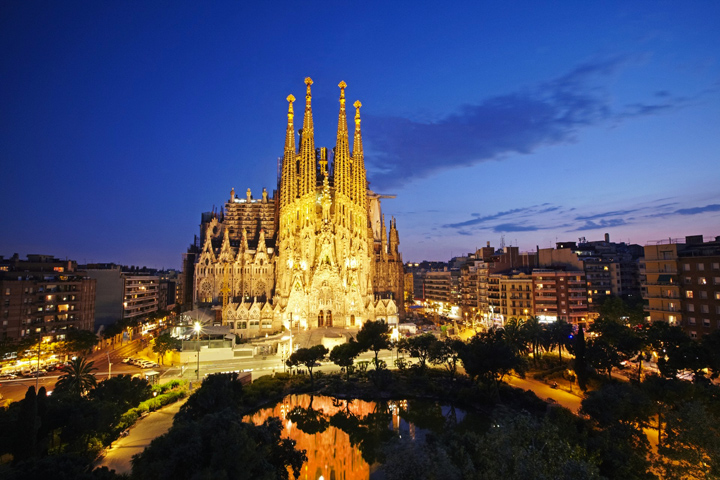
Basílica Sagrada Família, Barcelona

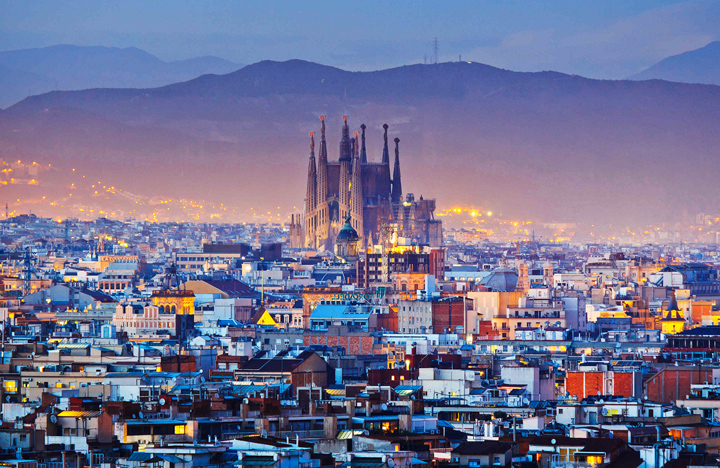
The Basílica Sagrada Família is a large unfinished Roman Catholic church in Barcelona, designed by Catalan architect Antoni Gaudí. The starting point for the Sagrada Familia was Gothic architecture, which Gaudí modified and improved on to offer a new architecture. He drafted a remarkable and original basilica that was to have 18 towers.
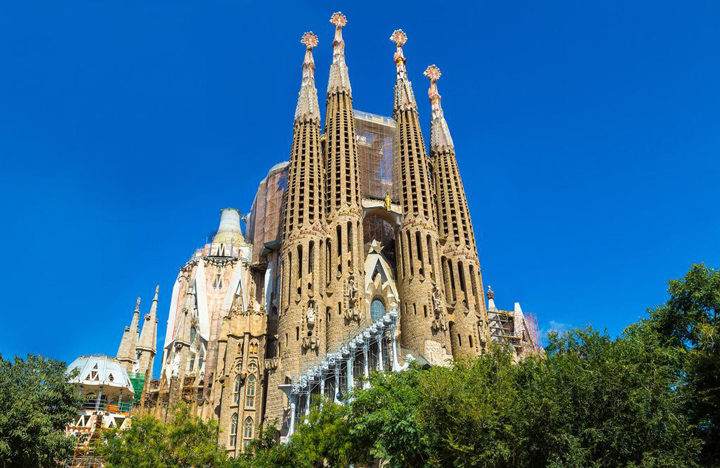

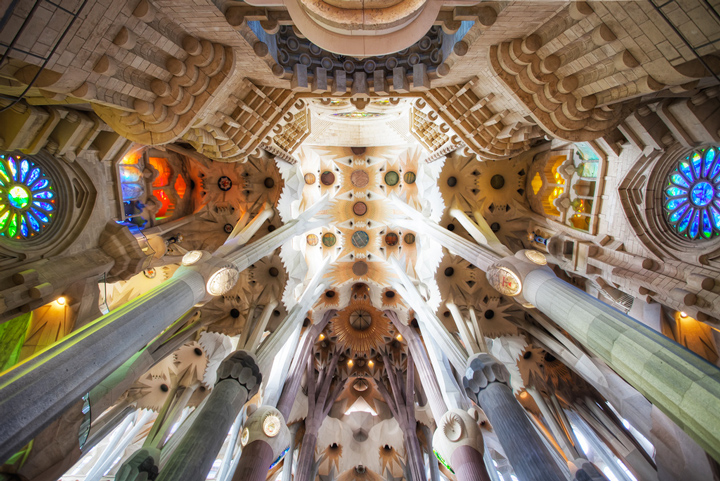
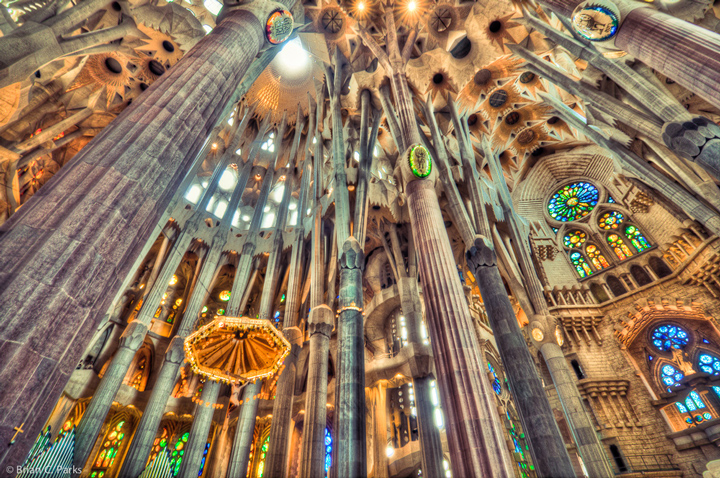
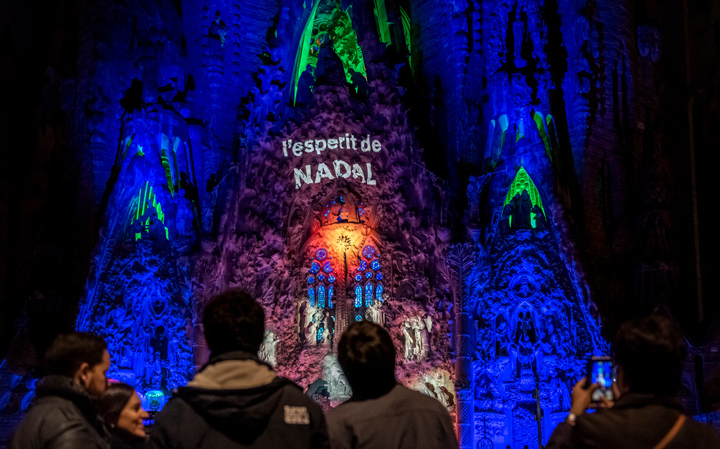
Gaudí’s conception of the Sagrada Familia was based on the traditions of Gothic and Byzantine cathedrals. His intention was to express Christian belief through the architecture and the beauty of the building and communicate the message of the Evangelists. He achieved a symbiosis between form and Christian iconography, with a personal architecture generated via new but thoroughly logical structures, forms and geometries inspired by nature, with light and color also playing a central role.
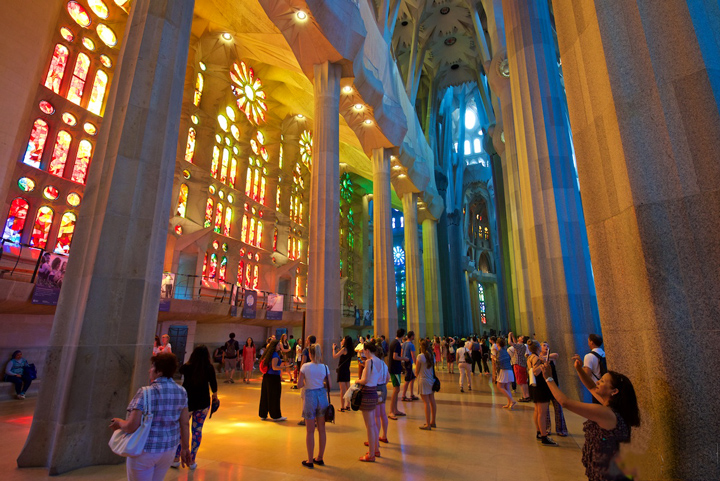

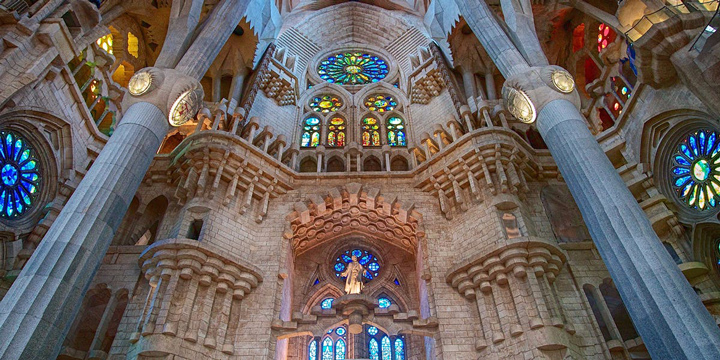
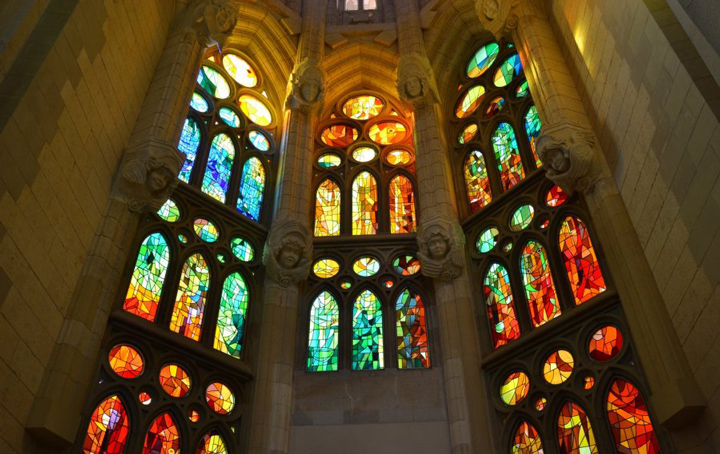
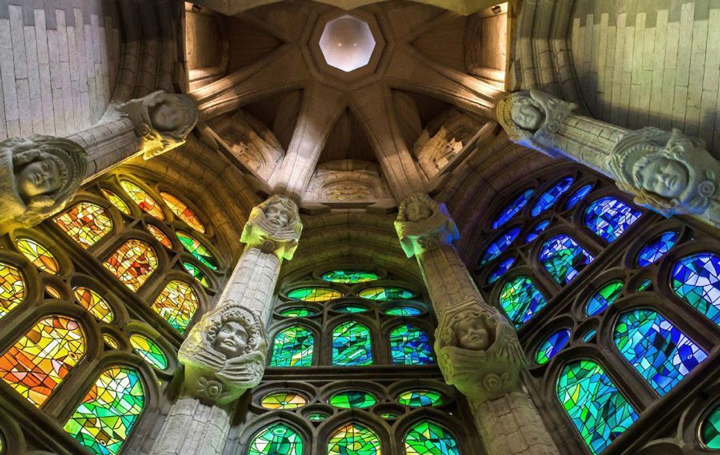
However, he died before he could complete this chef d’oeuvre, having only built one of the church’s towers. After Gaudí’s death in 1926 the construction of the Expiatory Temple of the Sagrada Familia was continued by architects and craftsmen who had worked with him, according to his plans and plaster models.
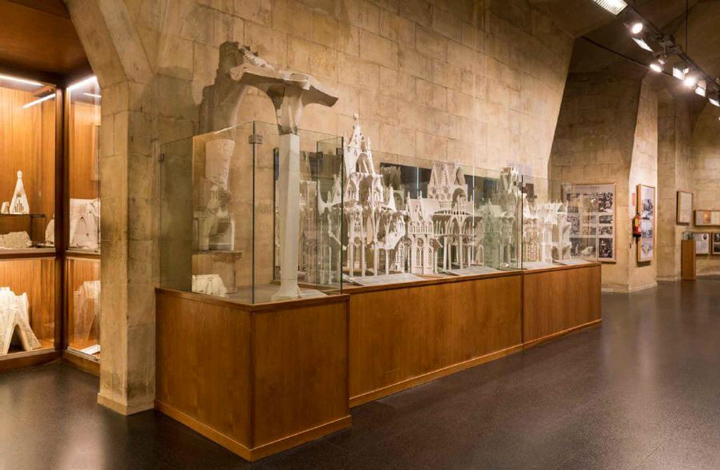
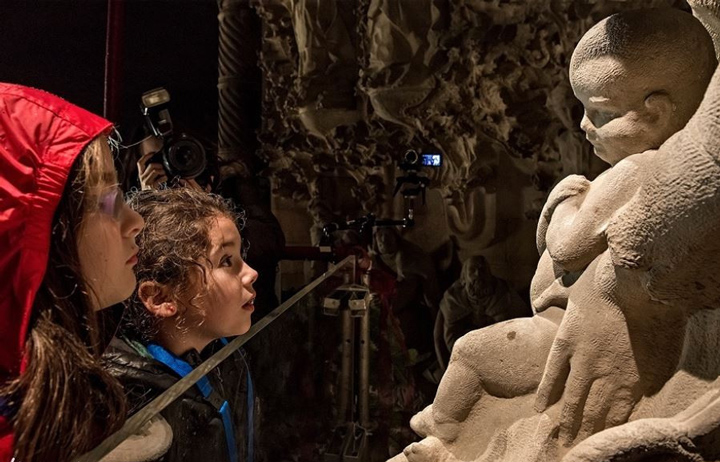
The Nativity façade and the crypt of the Expiatory Temple of the Sagrada Família were inscribed on the UNESCO World Heritage List in 2005.
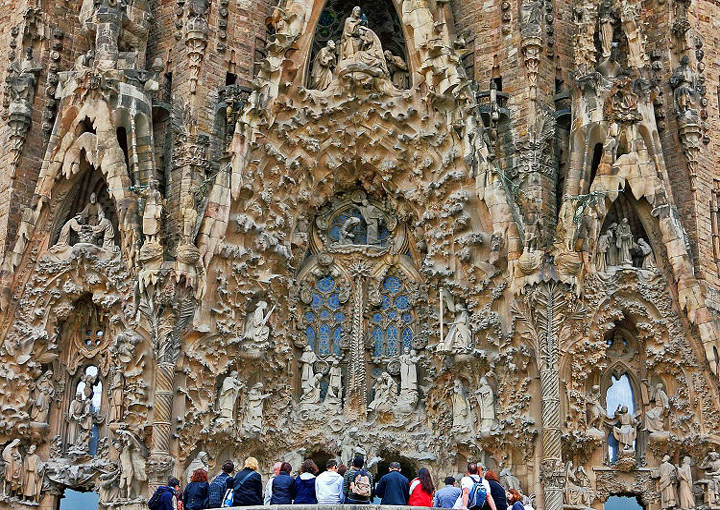

Five generations have already witnessed the temple’s rise in Barcelona. Construction continues today and could be finished in the first third of the 21st century.

References:
